Two repair shops can inspect the same vehicle and provide estimates that differ by hundreds of dollars. That difference does not automatically mean one shop is overcharging or the other is offering a better deal. The estimates may include different parts, labor procedures, warranties, testing, and related repairs.
A useful comparison starts with understanding exactly what each shop plans to do. A low estimate can become expensive when essential steps are excluded, while a higher estimate may already include the complete repair, updated components, and additional labor needed to prevent a repeat failure.
What Is Included in the Repair?
The first estimate may cover only the failed component, while another includes seals, hardware, fluids, programming, alignment, or other required procedures. Both may use the same general repair name even though the actual scope is different.
Consider a water pump replacement. One estimate may include the pump alone. Another may include coolant, new gaskets, one-time-use bolts, system bleeding, pressure testing, and replacement of a worn belt that must be removed during the repair. The second estimate costs more because it includes additional parts and work.
Written estimates should separate parts, labor, shop supplies, taxes, and outside services. Ask whether the quoted total includes everything needed to return the vehicle to normal operation or whether further charges are likely after work begins.
Testing Before Parts Replacement
Some vehicle symptoms have several possible causes. A warning light, vibration, electrical failure, or starting problem should not lead directly to replacing the first component associated with that symptom.
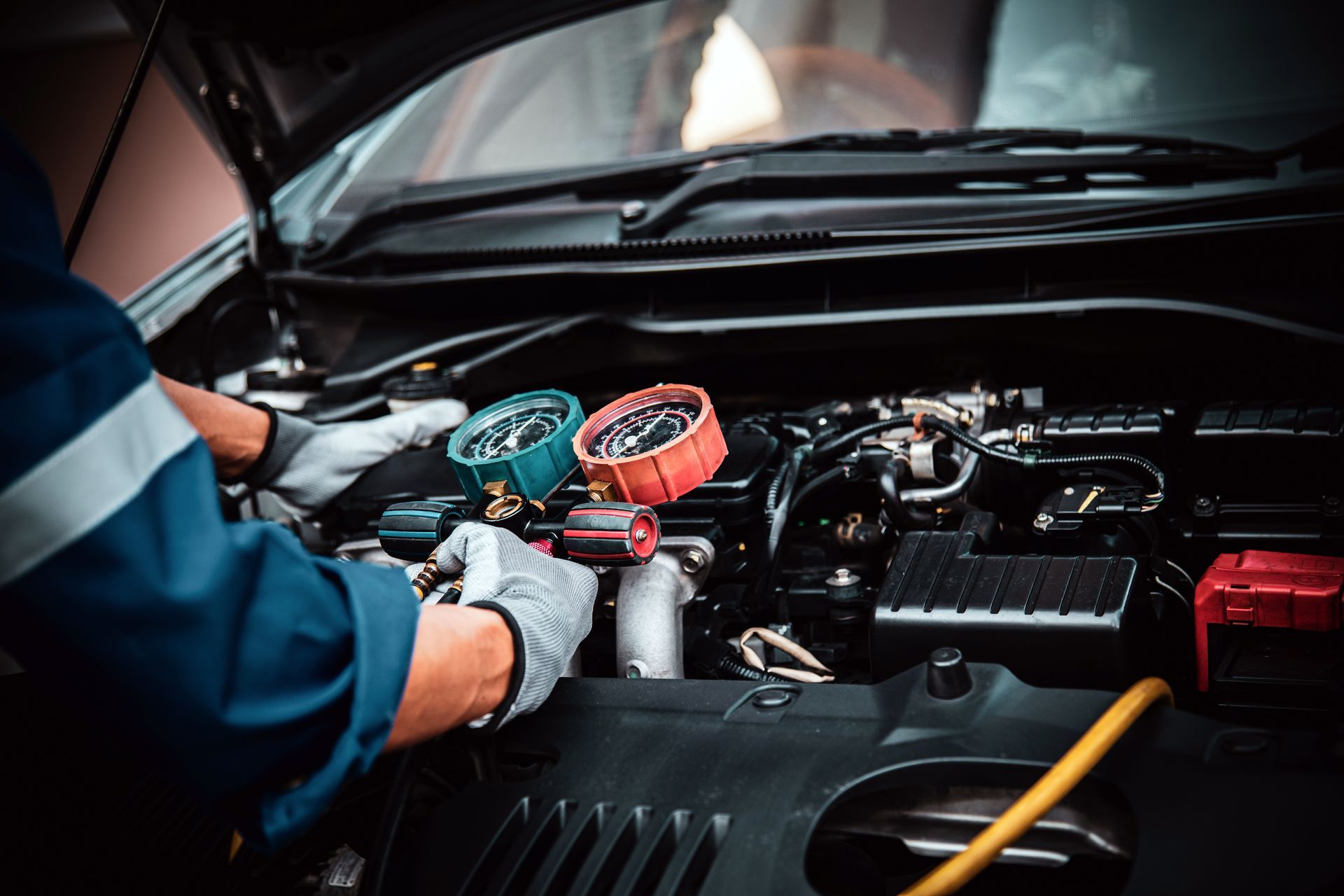
One shop may quote a part based on the customer’s description, while another includes diagnostic testing to identify the cause. That testing takes technician time and may require scan tools, electrical measurements, pressure gauges, smoke equipment, or vehicle-specific procedures.
Replacing a part without confirming the fault can produce a lower initial estimate, but it may not correct the concern. A professional repair plan should explain what was tested, what failed, and why the recommended work addresses the problem.
Differences in Parts Quality
Parts pricing can vary widely because shops may quote original equipment, original-equipment supplier, premium aftermarket, economy aftermarket, remanufactured, or used components. These options can differ in fit, materials, warranty coverage, and expected service life.
The least expensive component may be suitable for a simple repair on an older vehicle. In other situations, lower-quality electronics, sensors, pumps, bearings, or suspension parts can create performance problems or fail earlier than expected.
Ask each shop to identify the part brand and warranty. An estimate that says "alternator" or "control arm" without further detail does not provide enough information for a fair comparison. The price difference may reflect a stronger component rather than added markup.
Labor Time and Technician Experience
Shops use labor guides to estimate how long a repair should take, but the quoted hours can still differ. One facility may follow a manufacturer procedure that requires additional disassembly, while another plans a shorter method. Rust, modifications, previous repairs, and limited access can also affect labor time.
Hourly labor rates vary based on technician training, equipment, insurance, facility costs, local wages, and the types of vehicles the shop services. A shop that invests in current information, advanced testing equipment, and continuing education may charge a higher rate.
A lower hourly rate does not always lead to a lower final bill. An experienced technician with the right tools may complete accurate testing and repairs more efficiently than someone who spends extra time replacing parts without identifying the cause.
Hidden Damage and Related Failures
Technicians cannot always see every damaged part before disassembly. A leaking axle seal may have contaminated the brakes. A broken timing belt may have caused internal engine damage. A seized bolt may break during removal despite proper technique.
Some shops quote only what is visible before work begins. Others include likely related components based on experience with that repair. This can create a large difference between initial estimates.
The shop should contact the customer before exceeding the approved amount. Photographs, measurements, worn parts, and test results can help explain why the scope changed. An inspection before repair reduces surprises, but it cannot reveal every concealed condition.
Warranty Coverage and Support
Repair warranties differ in length, mileage, covered parts, labor coverage, and where service can be performed. One estimate may include a strong nationwide warranty, while another covers the part only or requires the customer to return to the original facility.
Warranty value becomes especially important for labor-intensive repairs. A low-cost part may carry a replacement warranty, but the customer could still pay labor again if it fails. Ask whether both parts and labor are covered and whether towing or related damage is excluded.
Regular maintenance services can also have different warranties depending on the products used. Clear documentation gives the customer a record of what was installed and what support is available afterward.
How to Compare Estimates Fairly
Do not compare only the total at the bottom of the page. Review each estimate line by line and ask for clarification when the descriptions are unclear.
Check the following details:
- Which parts and brands are included
- How many labor hours are quoted
- Whether testing is included
- Which fluids, seals, and hardware are covered
- Whether programming or calibration is required
- What the warranty includes
- Whether taxes and fees are included
- Which additional repairs may be found
A trustworthy shop should explain its estimate without pressuring the customer. The goal is to understand the vehicle’s condition, the repair method, and the value provided by each option.
Get Clear Auto Repair Estimates In Auburn, WA, With A Street Automotive
A Street Automotive in Auburn, WA, provides detailed estimates based on professional testing, appropriate repair procedures, and dependable parts. Our team can explain what the vehicle needs, why the work is recommended, and which concerns should be prioritized.
Contact us to schedule service and receive a clear repair plan for your vehicle.