Night driving in foggy or misty conditions can feel more draining than a full day behind the wheel. Headlights bounce off moisture in the air, signs seem to jump out at you, and oncoming traffic can leave you seeing spots. Over time, your eyes and brain work harder to process what you are seeing, and that is when fatigue and mistakes start to creep in. A few practical habits make those evening and early morning drives much calmer and safer.
1. Set Up Your Seating and Mirrors Before It Gets Dark
Comfort and visibility are easier to fix in your driveway than on the highway. A good driving position keeps you upright, gives you a clear view of the mirrors, and lets your hands and feet work without stretching. That helps you stay alert longer and reduces the temptation to slouch as you get tired.
- A quick setup routine before the sun goes down can include:
- Adjusting the seat so your wrists rest on top of the wheel with a slight bend in your elbows
- Tilting and raising the seat enough that you can see over the hood without craning your neck
- Setting side mirrors wide enough to reduce blind spots and cut glare from cars behind you
- Turning the dash brightness down just enough so gauges are readable without lighting up your whole face
Drivers who take a minute for these steps usually find night trips feel less stressful right from the start.
2. Use Your Lights Correctly in Fog and Rain
Bright lights in fog seem helpful, but they often make things worse. High beams reflect off water droplets and send a wall of white light back toward you. In true fog, low beams are the better choice because the light stays closer to the road surface where you need to see. If your vehicle has fog lamps, they are designed to spread a wide, low beam that fills in the area directly in front of the car.
Rear fog lights, where fitted, should be used with care. They help other drivers see you in thick fog, but they can be harsh on the eyes of someone following closely in clearer conditions. Switching them off when visibility improves prevents you from becoming a source of glare for others.
3. Tame Headlight Glare From Oncoming Traffic
Oncoming headlights can feel blinding, especially on wet roads where light reflects off the surface. Staring straight into those beams makes your pupils clamp down, then struggle to adjust back to the dark pavement afterward. A simple habit is to shift your focus slightly toward the right edge of your lane, using the painted line or road edge as a guide while the other car passes.
Keeping your windshield clean helps more than many people realize. A thin film of haze scatters light and makes halos around oncoming lamps. Cleaning the inside of the glass with proper glass cleaner, not just a quick wipe with a tissue, cuts down on that effect and makes glare easier to handle.
4. Keep Glass, Mirrors, and Headlights Clean Inside and Out
Night and fog driving shows every flaw in your glass and lenses. Dirt, film, and tiny scratches all catch light and throw it back at your eyes. The inside of the windshield often collects an invisible layer from plastics and ventilation, and that haze is especially noticeable at night when another vehicle’s lights hit it.
Headlight lenses also age. Cloudy or yellowed covers scatter light forward instead of focusing it. That reduces what you can see and doubles the glare that comes back at you from signs or fog. When we inspect vehicles that struggle with night visibility, we often find that a thorough cleaning or lens restoration brings back a surprising amount of clarity.
5. Manage Your Speed and Following Distance in Low Visibility
In fog or at night, the real limit is not the speed limit sign, it is how far ahead you can see clearly. If the usable view is only a few seconds in front of the car, running at full highway speed gives you very little time to react to hazards. Easing off a bit and leaving extra space buys you more decision time without slowing traffic dramatically.
A longer following distance also reduces the amount of spray and glare you get from the vehicle ahead. Their taillights become a reference instead of a red blur in your face. That space gives you room to brake smoothly if they have to slow suddenly for something you could not see around them.
6. Take Smart Breaks Before Fatigue Wins
Eye strain at night feels different from normal tiredness. You may notice your eyes burning, your shoulders tightening, or your mind wandering even though traffic is light. Those are early signs that you need a break. Waiting until your head starts to nod or you forget the last few miles means you have already pushed too far.
Short, regular stops work better than one long break at the end of the trip. Getting out for a quick walk, stretching, and letting your eyes focus on something other than headlights and reflectors helps reset your attention. We often remind drivers that pulling into a safe, well lit area for ten minutes is a lot easier than dealing with the aftermath of a lapse in concentration.
7. Know When Your Car Needs Adjustments, Not Just You
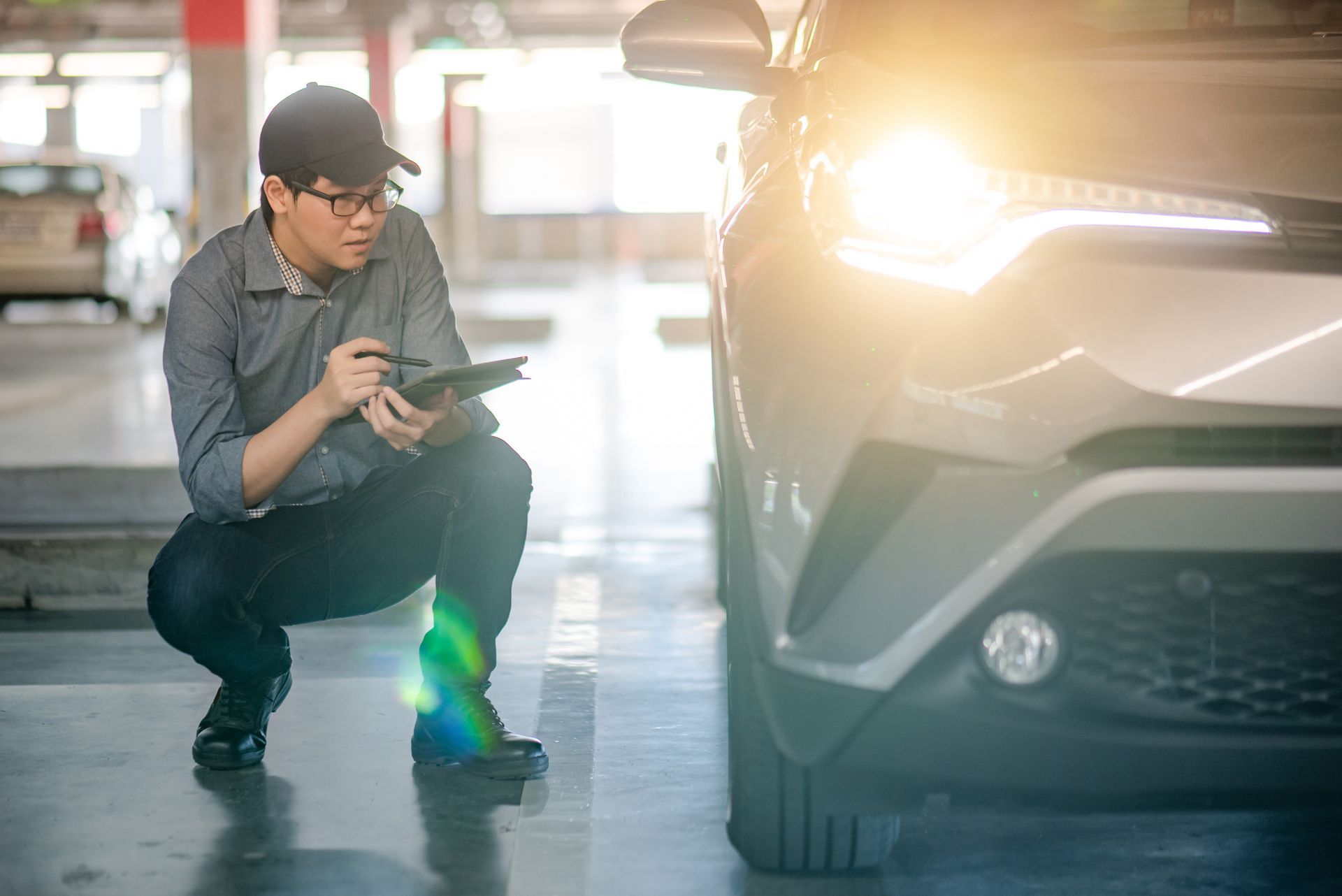
Sometimes the problem is not only the conditions or your level of fatigue, but it is also the way the vehicle is set up. Headlights that are aimed too high or too low reduce useful range and create extra glare for others. Worn wiper blades leave streaks and smears that catch oncoming light, while a weak defroster lets fog linger on the inside of the glass.
Suspension issues can also contribute. If the front of the car sits higher than it should, your low beams may shine straight into oncoming traffic instead of onto the pavement. A quick inspection of lights, wipers, defrosters, and suspension height is often enough to uncover simple fixes that make every night and foggy drive feel calmer.
Get Night and Fog Driving Help in Auburn, WA with A Street Automotive
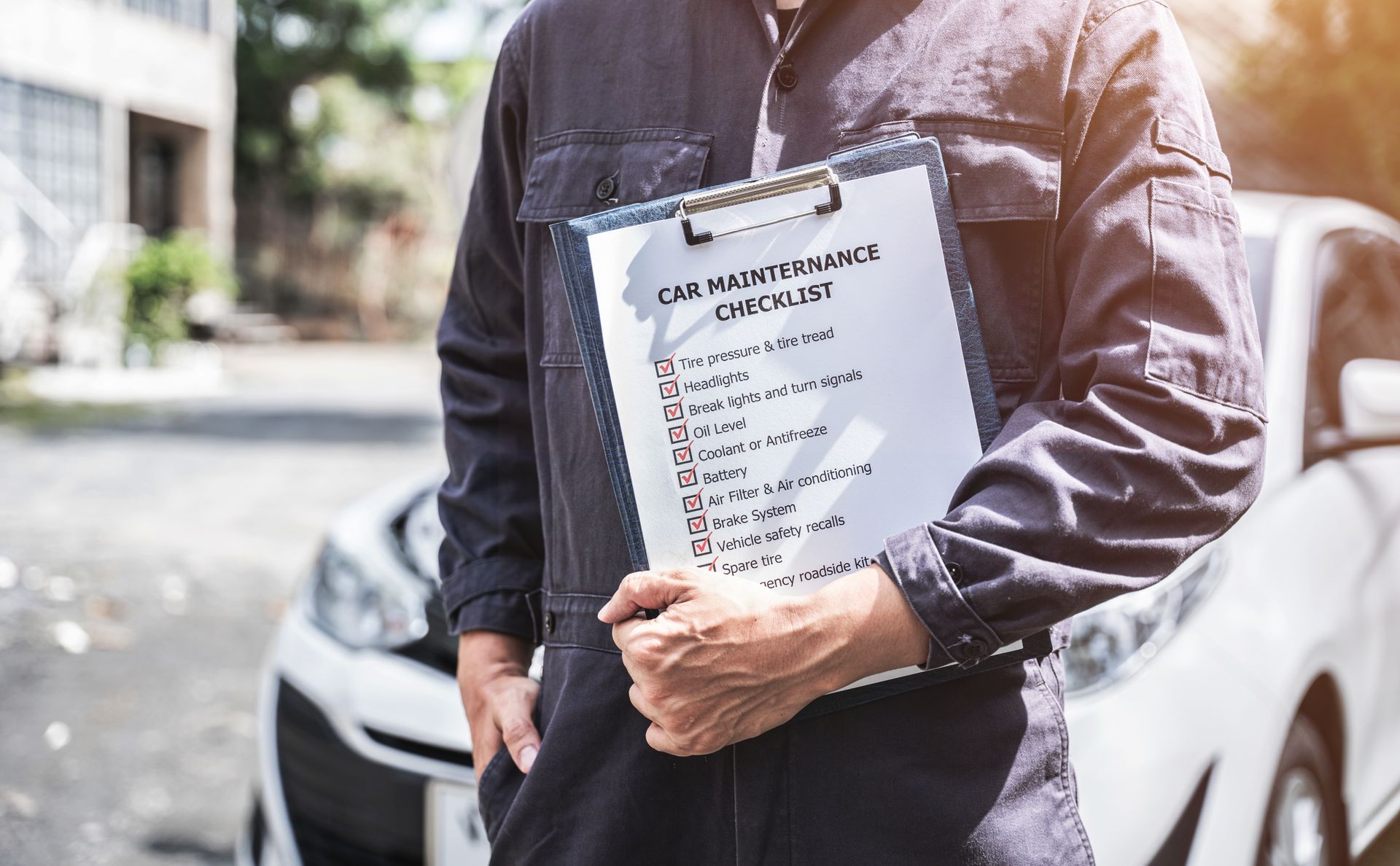
We can check your headlights, wipers, defroster, suspension, and basic safety items so your car is ready for night and foggy conditions. We will point out the changes that make the biggest difference in real visibility and comfort behind the wheel. Call
A Street Automotive in Auburn, WA to schedule a safety inspection before your next late drive.