Sixty thousand miles is one of those checkpoints where a car can go two directions. If routine services have been consistent, it often feels like a normal visit with a few extra items to review. If maintenance has been spotty, this is where small wear and tear items start piling up, and you begin chasing little problems one at a time.
The goal at 60,000 is pretty simple: refresh the fluids and parts that age out, inspect the items that can get expensive if ignored, and make a plan that fits how you actually drive.
What 60,000 Miles Usually Means For Wear
By this mileage, most vehicles have seen enough heat cycles, road grime, and everyday use that rubber seals, fluids, and filters are no longer in their best shape. Nothing here is meant to scare you, it’s just reality. Fluids break down, filters load up, and parts that were quietly aging start showing up as rough shifts, weak HVAC airflow, or longer stopping distances.
It’s also the point where two identical cars can have very different needs. A vehicle that does mostly highway miles can look great at 60,000. A vehicle that does lots of short trips or sits in traffic can need more attention, even if the odometer shows the same number.
Fluids To Service Around 60,000 Miles
Fluids are the big-ticket category at this interval because they protect the systems you really don’t want to replace. Some vehicles call for services earlier or later, so it’s smart to use this as a guide and confirm what your car actually requires.
Here are common fluid services that are often due by this mileage:
- Automatic transmission fluid service (varies by make and use)
- Differential fluid service for rear or all wheel drive vehicles
- Transfer case fluid service if the vehicle has one
- Brake fluid service if it’s been a few years
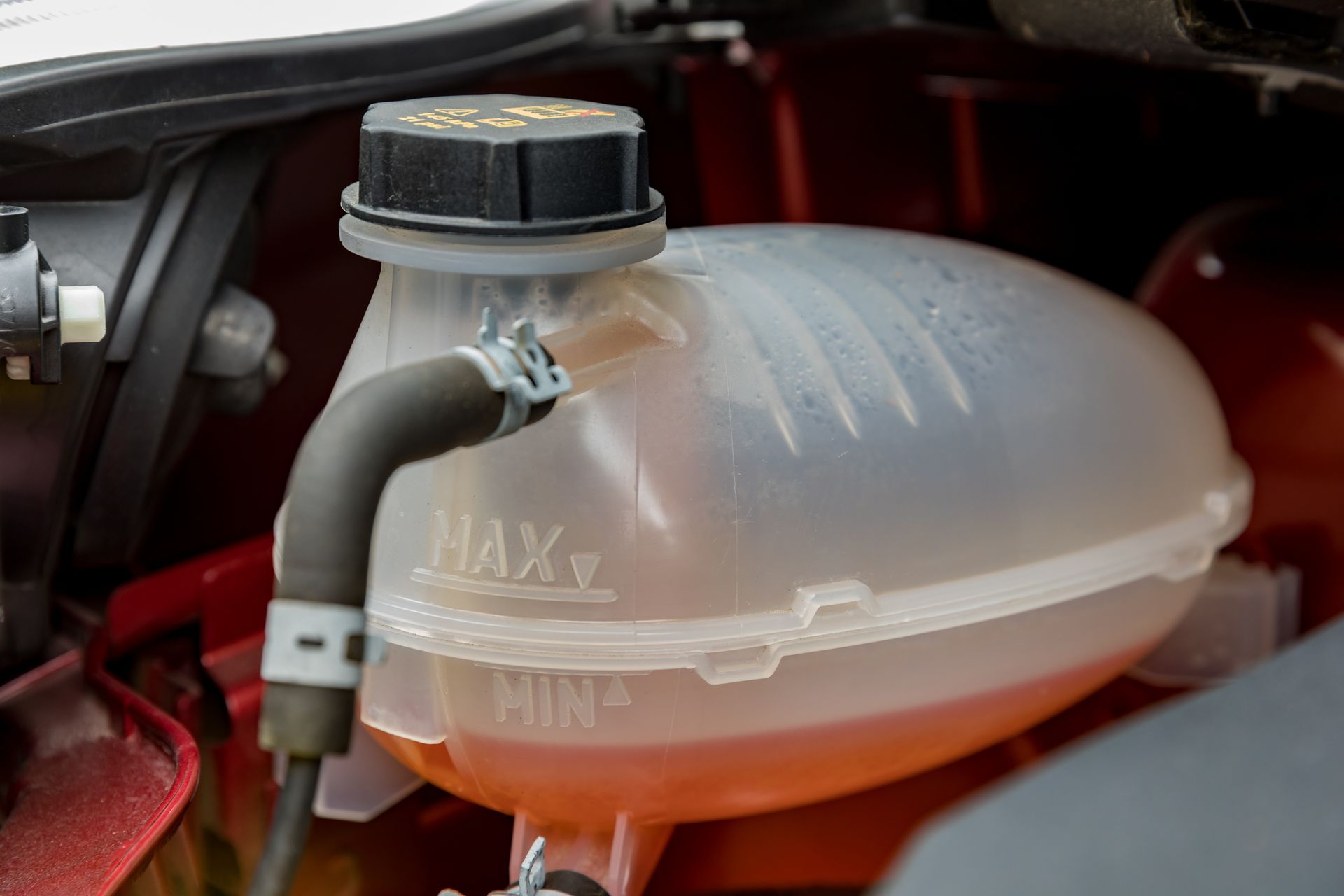
- Engine coolant check, and service if it’s due by time or mileage
We usually like to look at the fluid condition, not just the mileage. Color, smell, debris, and how it’s behaving can tell you a lot. For example, dark brake fluid is often a sign it has absorbed moisture over time, and that can affect pedal feel under heavy braking.
Filters And Airflow Checks That Add Up
Filters are easy to overlook because they don’t always cause an obvious problem. But a restricted engine air filter can hurt throttle response and fuel economy, and a clogged cabin filter can make the HVAC feel weak and musty. If you’ve noticed the fan needs to be on a higher setting than it used to, the cabin filter is worth checking.
This is also a good time to inspect the intake tract for cracks or loose clamps, and to look for debris in areas where it collects. We’ve seen simple airflow issues create symptoms that feel bigger than they are, like rough idle or hesitation, when the fix was basic maintenance plus a quick inspection.
Spark Plugs, Belts, And Tune-Up Items That Vary By Engine
Some engines are due for spark plugs at 60,000, while others go longer. If your plugs are due and you delay them, the engine may have to work harder to fire the mixture, which can stress ignition coils over time. That’s why we treat plug intervals as a real maintenance item, not a suggestion.
Belts and hoses also deserve attention here. Many vehicles use a serpentine belt that can crack or glaze with age, and coolant hoses can soften or swell near clamps. You might not notice anything until the belt squeals or a hose starts seeping, so an inspection now can prevent a surprise later.
If your vehicle uses a timing belt, the interval may be closer to 90,000 or 100,000, but the smart move is to check the schedule rather than assume. Timing belt intervals are not universal.
Brakes, Tires, And Suspension Inspection Points
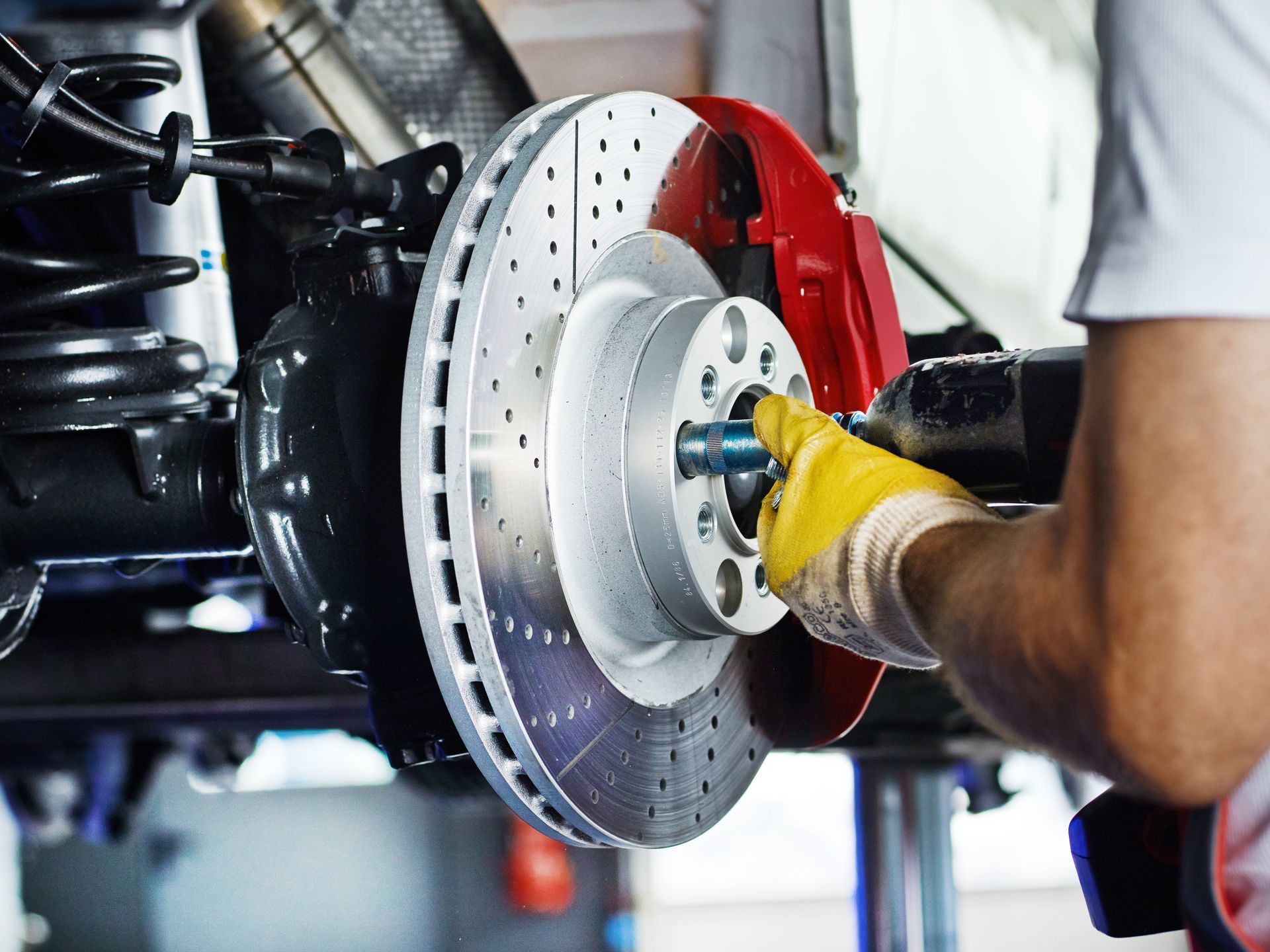
At 60,000 miles, you want to look at the parts that affect stopping, traction, and stability. Brake pads and rotors should be inspected for thickness, heat spots, and uneven wear. It’s also a good time to check brake hoses for cracking and calipers for signs of sticking, since that can cause uneven pad wear and extra heat.
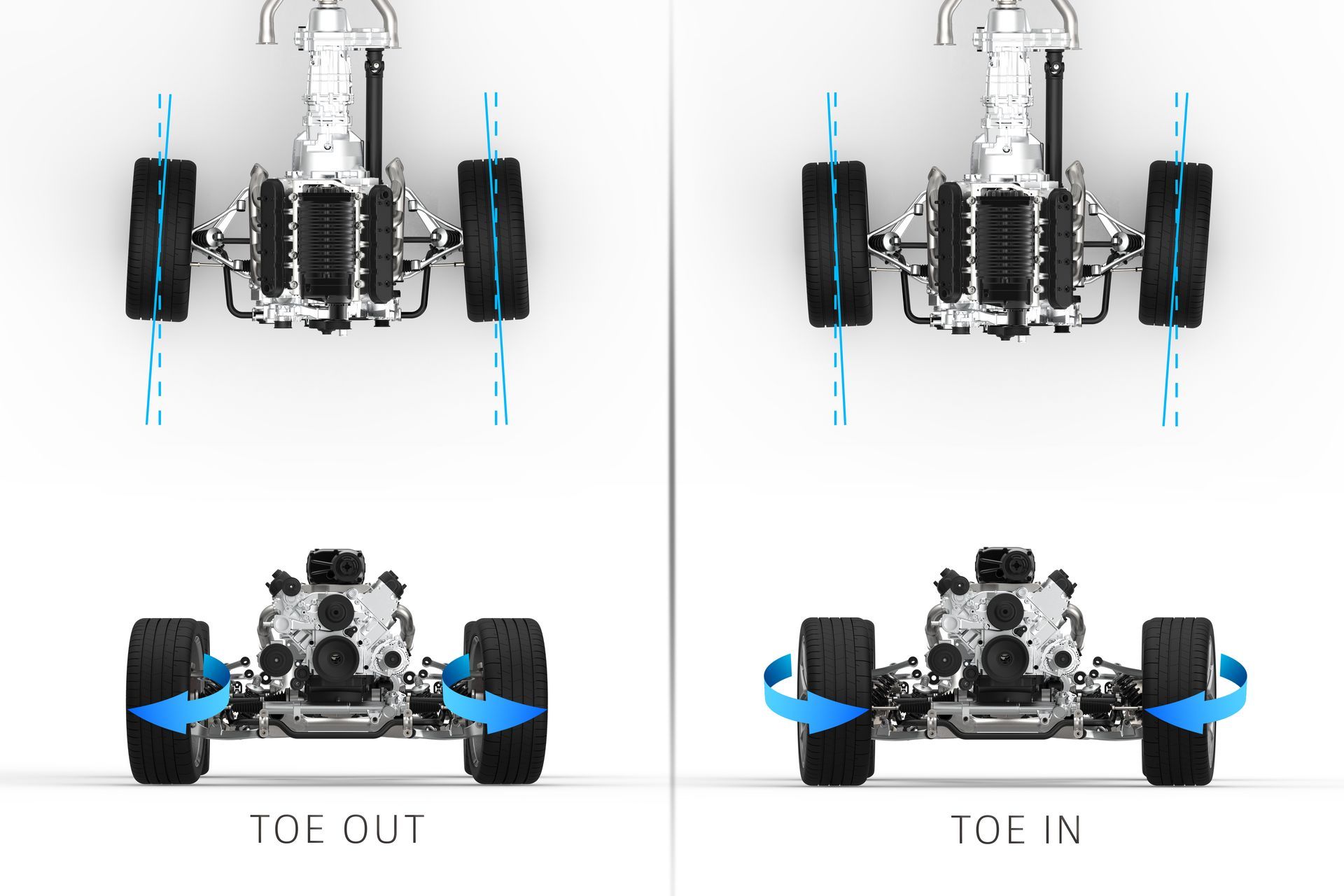
Tires should be checked for tread depth and wear patterns. Uneven wear can point to alignment drift or worn suspension parts, and catching that early can save a set of tires. We also like to check steering and suspension components for play, especially tie rods, ball joints, and control arm bushings, because looseness can show up first as vague steering or wandering on the highway.
A Practical Plan If You’re Not Sure What’s Due
If you’re not sure what’s been done already, start with the basics: oil service, filter checks, tire condition, and a full visual inspection. From there, prioritize fluids based on risk and history. If you know the transmission fluid has never been serviced, that often moves higher on the list than something you did recently.
A helpful approach is splitting it into “do now” and “schedule soon.”
“Do now” items are anything that affects safety or can trigger expensive damage, like low brake pad life, leaking fluids, or severely worn tires.
“Schedule soon” items are things that won’t strand you tomorrow but will get worse over time, like aging fluids that are overdue or worn suspension bushings that are starting to loosen.
When we’re trying to build a plan with our customers, we focus on what the car is telling us and what the maintenance history supports. That keeps the visit from turning into a guessing game.
Get 60,000 Mile Maintenance in Auburn, WA with A Street Automotive
If your vehicle is coming up on 60,000 miles, we can review what’s due, inspect the key wear areas, and recommend a maintenance plan that fits your car and your driving habits. We’ll help you prioritize what should be handled now versus what can be scheduled, without pushing unnecessary extras.
Get 60,000 mile maintenance in Auburn, WA with A
Street Automotive, and we’ll help you keep your car dependable for the miles ahead.