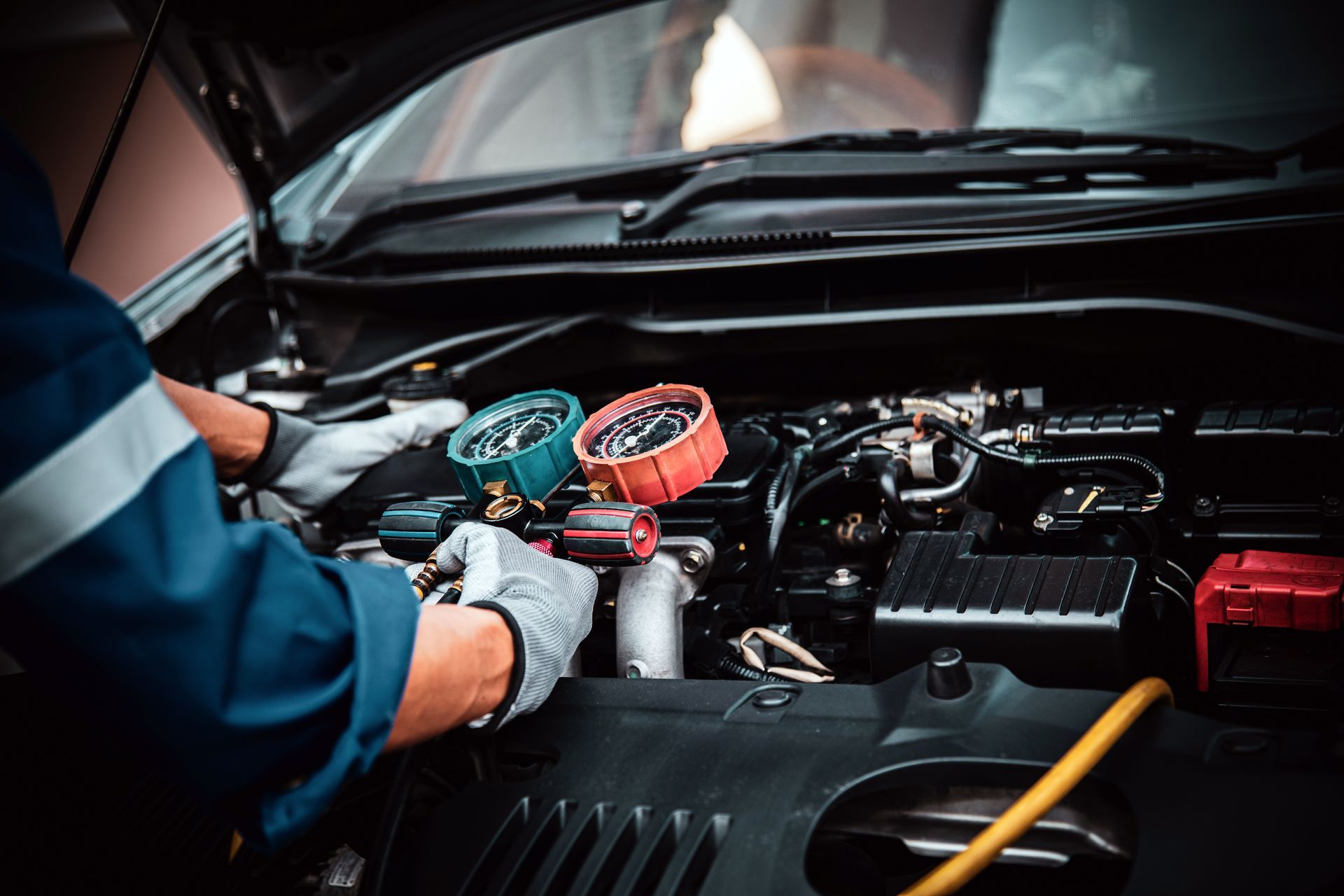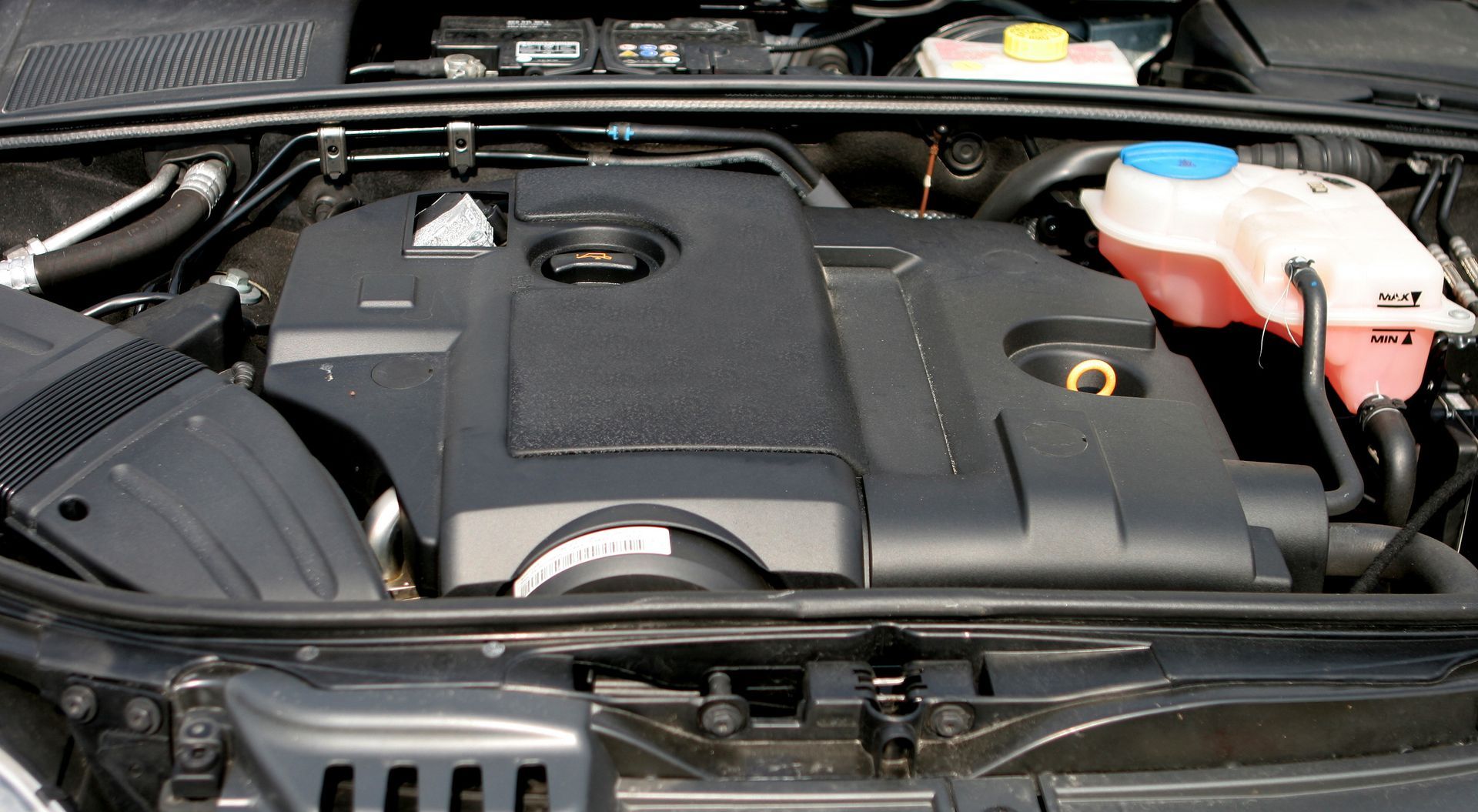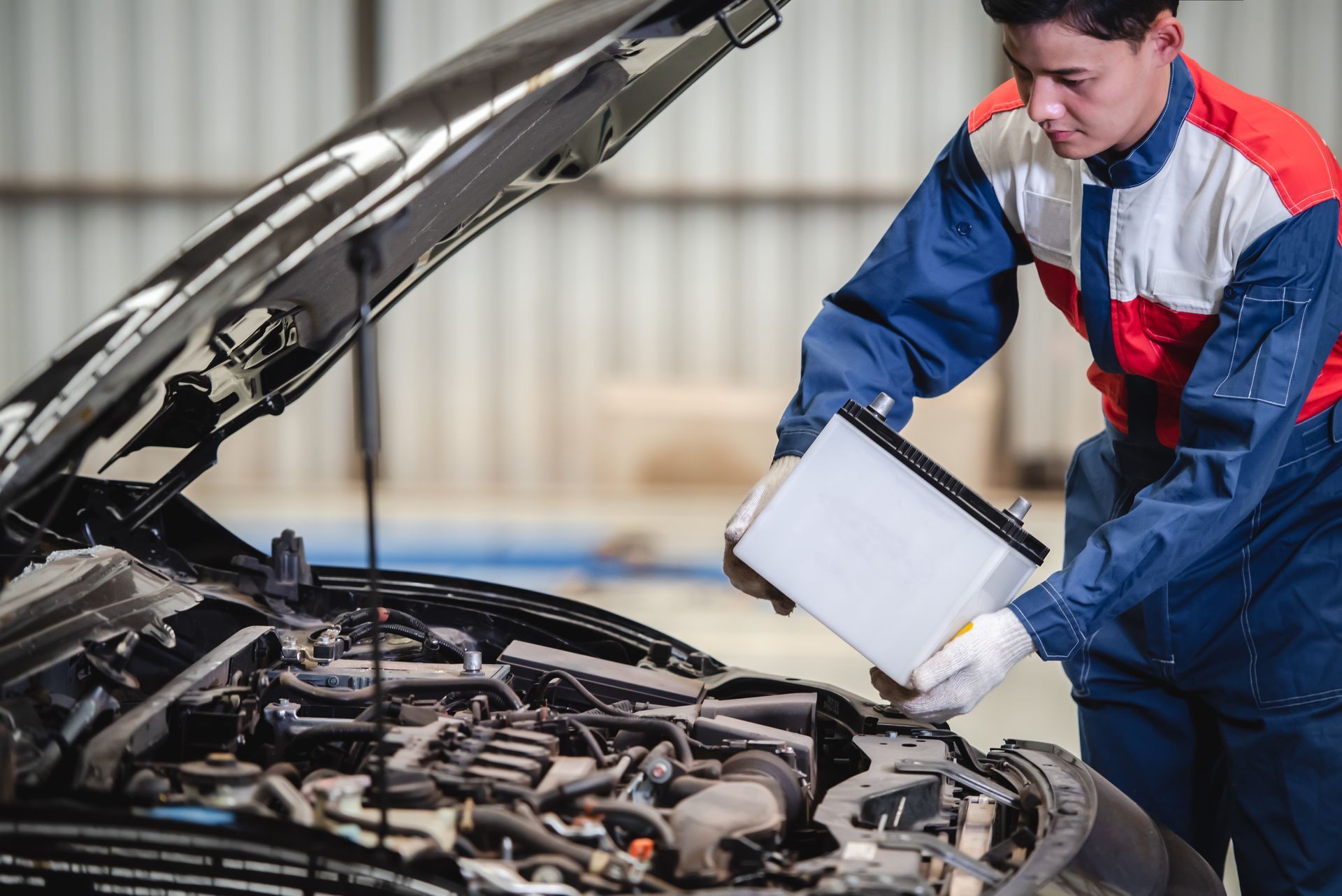
If your car takes forever to warm up, the heater blows lukewarm air, or the temperature gauge behaves differently than it used to, the thermostat deserves attention. It is a small cooling-system part, but it has a major effect on both engine temperature and cabin heat.
The thermostat controls when coolant begins flowing through the radiator. When it stops working correctly, the engine can run too cool, too hot, or cycle between temperatures. Those changes often show up through heater performance before the driver realizes there is a cooling-system problem.
A Thermostat Stuck Open Can Make the Heater Feel Weak
When the engine is cold, the thermostat is supposed to stay closed long enough for the engine to reach operating temperature. If it sticks open, coolant begins circulating through the radiator too early.
The engine then takes much longer to warm up, especially during cooler Auburn mornings. Since the heater depends on hot engine coolant flowing through the heater core, the air from the vents may stay lukewarm even with the temperature control turned all the way up. You may also notice the temperature gauge sitting lower than normal.
A Thermostat Stuck Closed Can Cause Overheating
A thermostat can fail in the opposite direction and stay closed. In that case, hot coolant cannot flow through the radiator properly, so engine temperature can rise very quickly.
This is more serious than a thermostat stuck open. You may see the temperature gauge climb, receive an overheating warning, or notice steam under the hood. If the engine is overheating, stop driving as soon as it is safe. Continuing to run the engine hot can damage the head gasket, cylinder head, and other internal parts.
The Temperature Gauge Can Give You Useful Clues
A healthy cooling system should bring the engine up to operating temperature and then keep it there with relatively little movement on the gauge. If the gauge takes much longer than normal to reach its usual position, a thermostat stuck open is one possibility.
A gauge that rises and falls unexpectedly can point to a thermostat that sticks intermittently, but we also consider low coolant, air trapped in the system, sensor problems, or circulation issues. At our shop, we compare scan-tool temperature data with what the gauge is showing instead of diagnosing the thermostat from the dashboard alone.
Poor Cabin Heat Is Not Always a Thermostat Problem
Weak heat can come from several different parts of the cooling and HVAC systems. Low coolant, a restricted heater core, a faulty blend door, trapped air, or a weak water pump can all leave the cabin colder than it should be.
One useful clue is whether the engine itself reaches normal operating temperature. If the engine stays cool and the heater is weak, the thermostat moves higher on the list. If engine temperature looks normal but the vents still blow cold, we focus more closely on coolant flow through the heater core and the HVAC controls.
Low Coolant Can Mimic Thermostat Symptoms
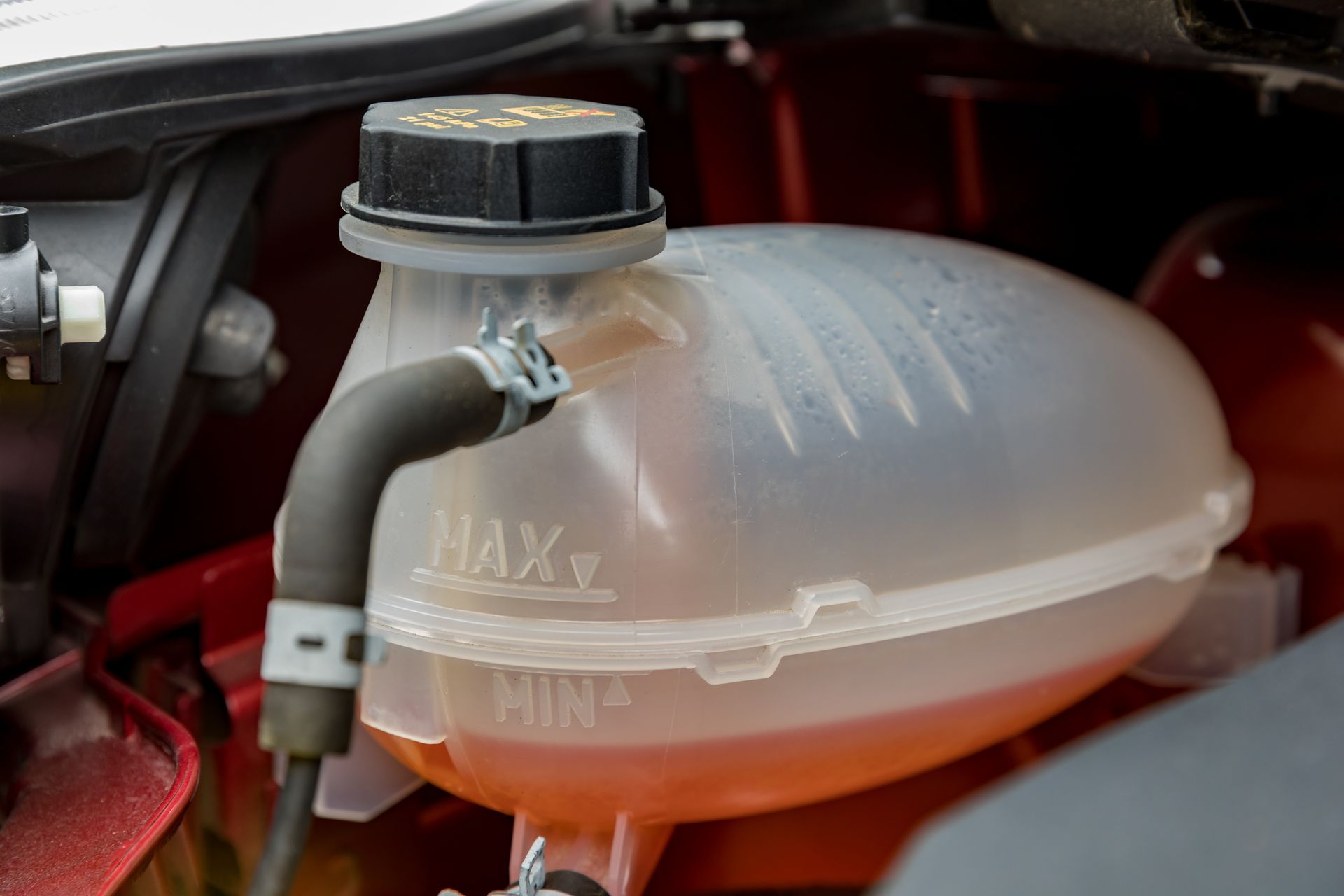
The heater core depends on a steady supply of hot coolant. If the coolant level drops too far, air can enter the system and interrupt flow through the heater circuit.
That can cause heater output to change while driving or turn cold when the engine is idling. During an inspection, we check the coolant level only when the engine is cold and look for leaks around hoses, the radiator, water pump, reservoir, and thermostat housing. Repeatedly adding coolant without finding the leak is not a proper fix.
Watch for Changes in Warm-Up Time and Heater Behavior
Thermostat problems usually create a pattern rather than one isolated symptom.
Signs worth paying attention to include:
- Engine takes much longer to warm up
- Temperature gauge stays lower than normal
- Cabin heat remains lukewarm
- Temperature rises quickly toward hot
- Heater output changes from hot to cold
- Temperature gauge moves more than it used to
- Coolant warning appears
- Fuel economy drops during colder weather
These clues help us decide whether the thermostat is controlling coolant flow correctly or whether another cooling-system problem is producing similar symptoms.
A Failing Thermostat Can Affect Fuel Economy Too
An engine that runs too cool is not operating at the temperature it was designed for. The engine computer may keep the fuel mixture richer for longer because it still sees the engine as being in its warm-up period.
That can reduce fuel economy and increase emissions. Regular maintenance helps us notice changes in warm-up time, coolant condition, and heater performance before the thermostat fails. If the engine consistently runs cooler than normal, it is worth checking instead of assuming cooler weather is the only reason.
Get Thermostat And Heating System Service In Auburn, WA, With A Street Automotive
If your vehicle takes too long to warm up, the heater is not getting hot, or the temperature gauge is behaving differently than normal, A Street Automotive in Auburn, WA, can check the thermostat, coolant level, heater core, water pump, and related cooling-system components.