A slow, heavy cranking sound on a cold morning can make you reach for the jumper cables before you've even finished your coffee. The battery is a reasonable suspect, but it isn't the only component involved in turning the engine. A poor connection or a struggling starter can sound much the same.
The useful question is where the starting system loses its ability to do the job. Around Auburn, colder weather adds demand to a system that may already be marginal. Testing the battery, power connections, and starter together gives you a clearer answer than buying whichever part seems most familiar.
Slow Cranking Is Different From A Long Start
Cranking describes the starter turning the engine before it runs on its own. If that rotation sounds slower than usual, the problem can involve available electrical power, the path carrying it, the starter, or unusual resistance in the engine. The sound is different from normal-speed cranking that continues without the engine firing.
That distinction is useful when you explain the complaint. Does the engine labor through each revolution, or spin normally for several seconds before starting? A normal-speed long start can point toward fuel, ignition, or other engine-control concerns. Describing both as a bad battery can send the inspection in the wrong direction.
Cold Weather Challenges Battery Capacity And Engine Resistance
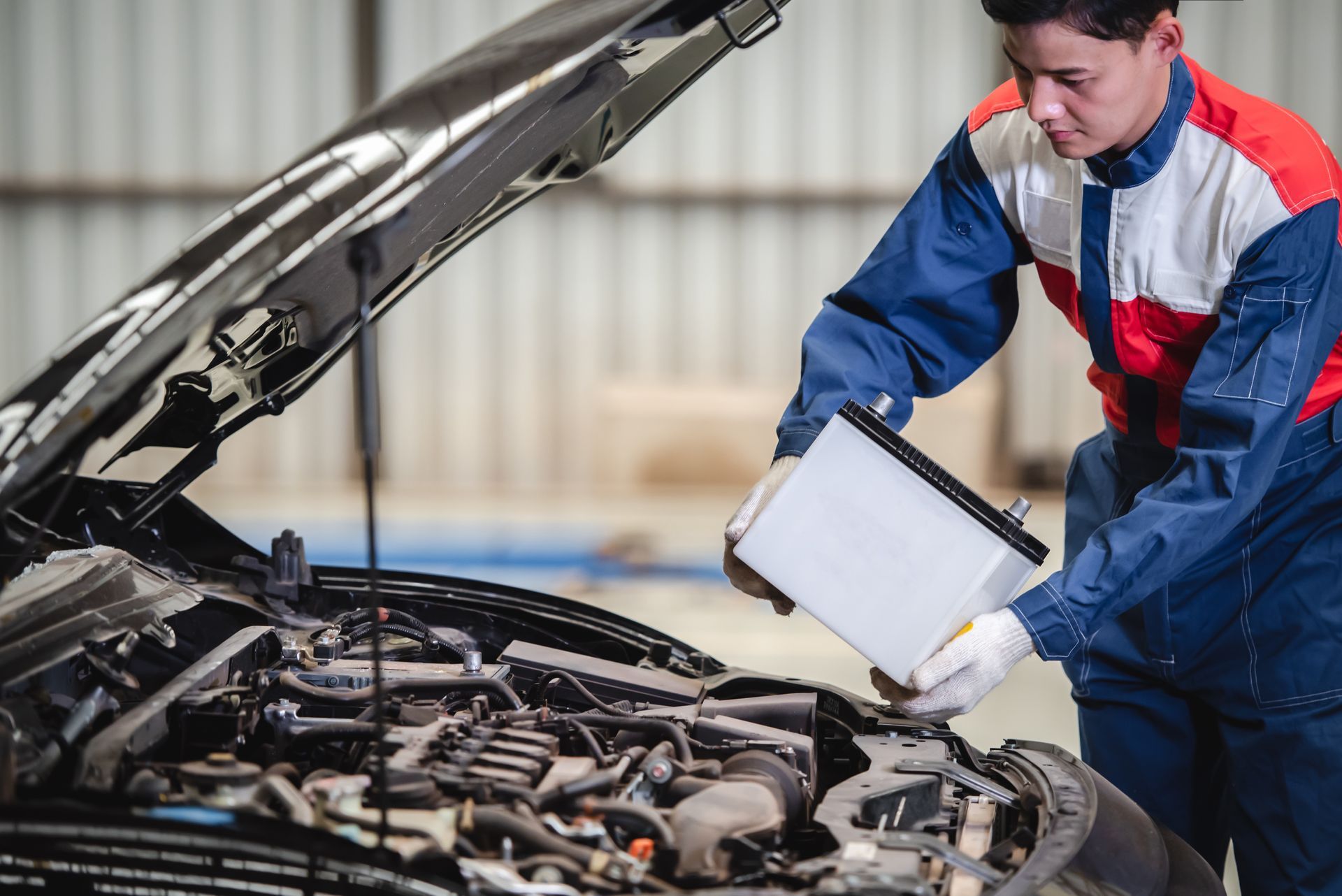
A cold lead-acid battery delivers less starting power than it does when warm. Meanwhile, cold oil and other operating conditions can increase the effort needed to rotate the engine. A battery with little remaining reserve may handle an afternoon restart but struggle after sitting outside overnight.
Age is one clue, but it isn't a test result. A relatively new battery can be undercharged, and an older one may still perform adequately. Battery testing should account for charge level, temperature, and the specified battery type. Appropriate charging may be needed before deciding whether a low result reflects discharge or deterioration.
Battery Cables Can Lose Voltage During Cranking
The starter needs substantial current, making it sensitive to resistance in terminals, cables, and ground connections. A corroded joint or damaged cable can limit delivery even when the battery has enough capacity. Some trouble spots sit beneath insulation or at connections that are difficult to inspect from above.
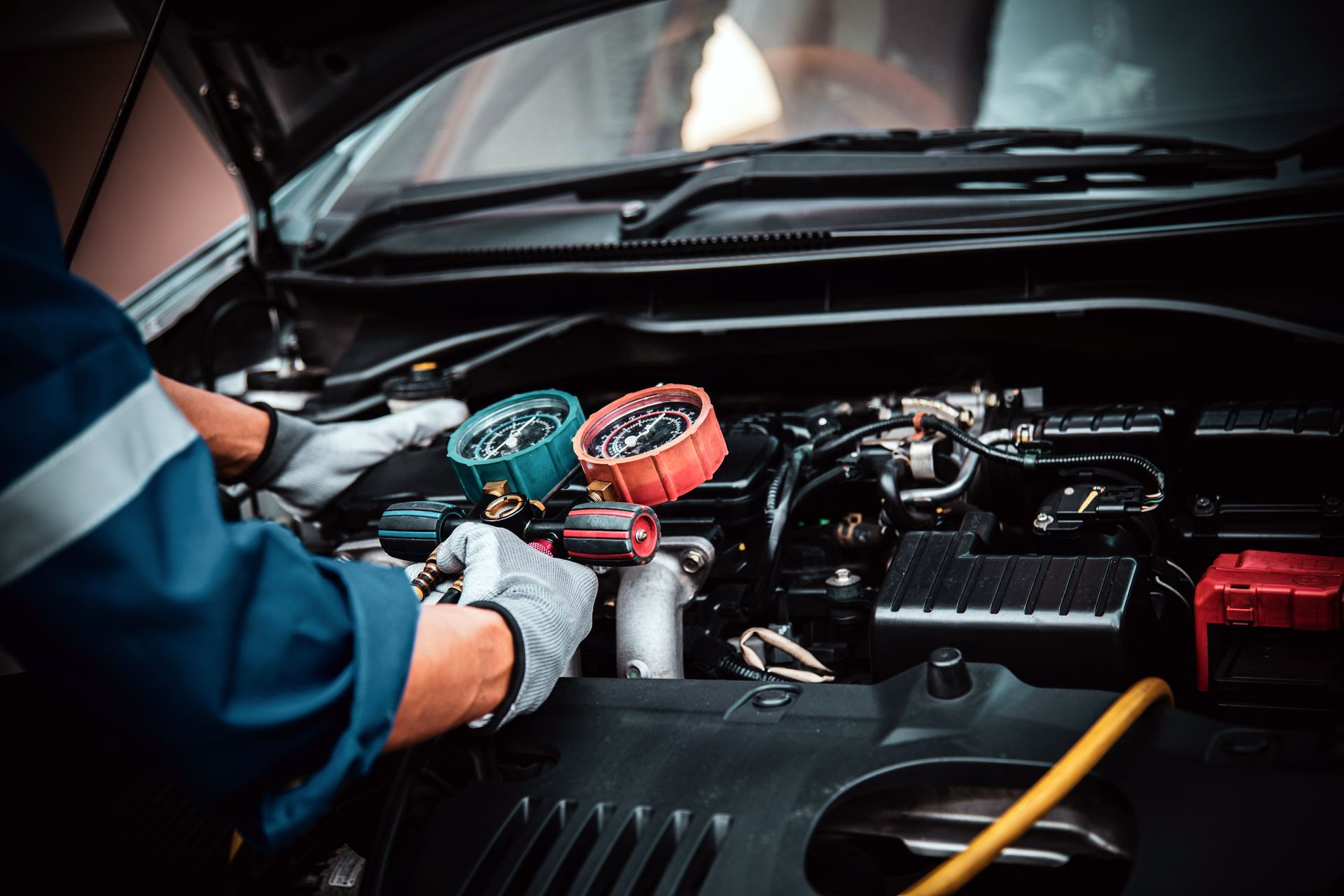
A voltage-drop test checks how much electrical potential is lost along the circuit while it is working. Testing under the cranking load is useful because a weak connection can appear acceptable when very little current is flowing. The shop can compare the results with the vehicle's service requirements and identify the section needing attention.
A Worn Starter Can Crank Slowly Too
The starter is an electric motor with mechanical components that wear over time. Internal resistance, worn parts, or other defects can change its speed and current demand. The battery may be blamed simply because the failure shows up during starting, even though the starter is the component drawing power improperly.
Testing can compare available voltage, current draw, and cranking speed. The technician should also consider the engine's condition and the starter's engagement. Replacing the starter without checking its supply circuit can leave the new unit struggling, while replacing the battery without checking starter demand can leave the original symptom unchanged.
The Correct Engine Oil Supports Cold Cranking
Oil viscosity affects resistance before the engine warms up. The manufacturer specifies an oil grade and performance requirements suited to the engine and its operating conditions. An oil that is too thick for the application can make cold operation harder, but the answer isn't to choose the thinnest oil on the shelf.
Review what was used at the last service, particularly if slow cranking began afterward. Oil level, unusual mechanical noises, and service history provide additional context. An oil pressure warning or loud knocking once the engine starts requires its own prompt response. A battery replacement won't correct a lubrication or mechanical problem.
Short Drives Can Leave The Battery Below Full Charge
Repeated brief trips may not fully replace the energy used during starting. Lights, defrosters, and accessories add electrical demand, and normal parked consumption continues afterward. A car used mainly for nearby errands can therefore develop a charge problem without an obvious failed alternator.
If the battery repeatedly loses charge, the inspection should include charging performance and electrical use while parked. Modern charging controls vary their output with conditions, so a single voltage reading isn't always enough. Mention accessories, recent repairs, and how long the vehicle normally sits before the slow crank occurs.
Useful Details For A Slow-Cranking Inspection
Pay attention to patterns you can observe without taking unnecessary risks:
- Whether the slow crank happens only after an overnight stop.
- Whether a warm restart sounds normal.
- Whether lights dim sharply during the attempt.
- Whether a jump-start changes the cranking speed.
- Whether the problem began after battery work or an oil change.
These clues guide the checks, but none proves a failed part on its own. Even improvement with a jump can reflect increased available power overcoming a separate weakness in the circuit.
Avoid Repeated Long Cranking Attempts
Follow the manufacturer's limits for starting attempts and the required pause between them. Continuing to crank a struggling engine can discharge the battery further and overheat the starter. If you smell burning, notice smoke, or hear an abnormal mechanical sound, stop attempting to start it and arrange assistance.
Don't jump or charge a battery that is damaged, leaking, or suspected to be frozen. For a safe jump-start on an undamaged battery, use the vehicle's specified procedure and connection points. Getting the engine running is temporary; the next useful step is finding out why it needed help.
Get Cold-Weather Starting Service In Auburn, WA
A Street Automotive in Auburn, WA, can inspect slow cranking and compare battery condition, cable performance, starter operation, and related concerns. Describe the morning conditions and any recent service so we can check the systems involved and explain the repair based on our findings.
Contact us to schedule an inspection for slow cranking or recurring starting trouble.