Brake problems can be easy to talk yourself out of noticing. A small squeak comes and goes. The pedal feels a little different, but the car still stops. Maybe the steering wheel shakes only at certain speeds, or the warning light disappears after the next restart.
Those early signs are worth paying attention to. Brake wear slows, and the symptoms do not always arrive in a clear order. Knowing what to watch for can help you schedule brake repair before the problem affects rotors, calipers, tires, or your confidence behind the wheel.
Brake Noise That Changes Over Time
Noise is one of the most common signs that brakes need attention. A light squeal in the morning can come from moisture or surface rust, especially after rain. A squeak that keeps returning, gets louder, or happens every time you stop is different.
Brake pads often have wear indicators that make noise as the pad material wears down. Grinding is more serious because it can mean the pad material is gone, and metal is contacting the rotor. Once that happens, the repair may involve more than pads. Rotors can become scored, overheated, or too thin to reuse.
A Brake Pedal That Feels Different
Your brake pedal should feel familiar every time you drive. If it starts feeling soft, spongy, unusually hard, or lower than normal, something has changed. The cause could be air in the brake lines, old brake fluid, worn pads, a hydraulic issue, or a problem with another brake component.
A pedal that slowly sinks while you hold pressure is especially concerning. That can point toward a fluid leak or an internal master cylinder problem. Even if the vehicle still stops, the pedal feel should not be ignored. Braking depends on pressure, and any change in that pressure needs to be checked.
Vibration Or Pulsing When You Stop
A pulsing brake pedal or shaking steering wheel during braking can point toward rotor problems. Rotors can develop uneven surfaces from heat, wear, rust, or pad material transfer. When the pads squeeze against an uneven rotor surface, the driver feels that vibration through the pedal, steering wheel, or body of the car.
Not every vibration is caused by the brakes. Tires, wheel bearings, suspension parts, and alignment issues can create similar feelings. Still, if the shaking occurs mostly during braking, the brake system should be inspected before the vibration worsens.
Pulling, Dragging, Or Burning Smells
A car that pulls to one side while braking may have uneven brake force. That can happen when a caliper sticks, a brake hose restricts fluid flow, pads wear unevenly, or one side of the system isn't working properly. Pulling can also come from tires or suspension, so the full front end may need to be checked.
Dragging brakes can create heat, burning smells, poor fuel economy, and premature wear. You may notice the car feels sluggish, one wheel smells hot after driving, or brake dust builds up faster on one side. Heat can damage pads, rotors, calipers, seals, and bearings if the cause is not repaired.
Brake Warning Lights And Fluid Concerns
A brake warning light on the dashboard should be taken seriously. It might be as simple as the parking brake not being fully released, but it can also point toward low brake fluid or another brake system concern. An ABS light means the anti-lock brake system has detected a fault.
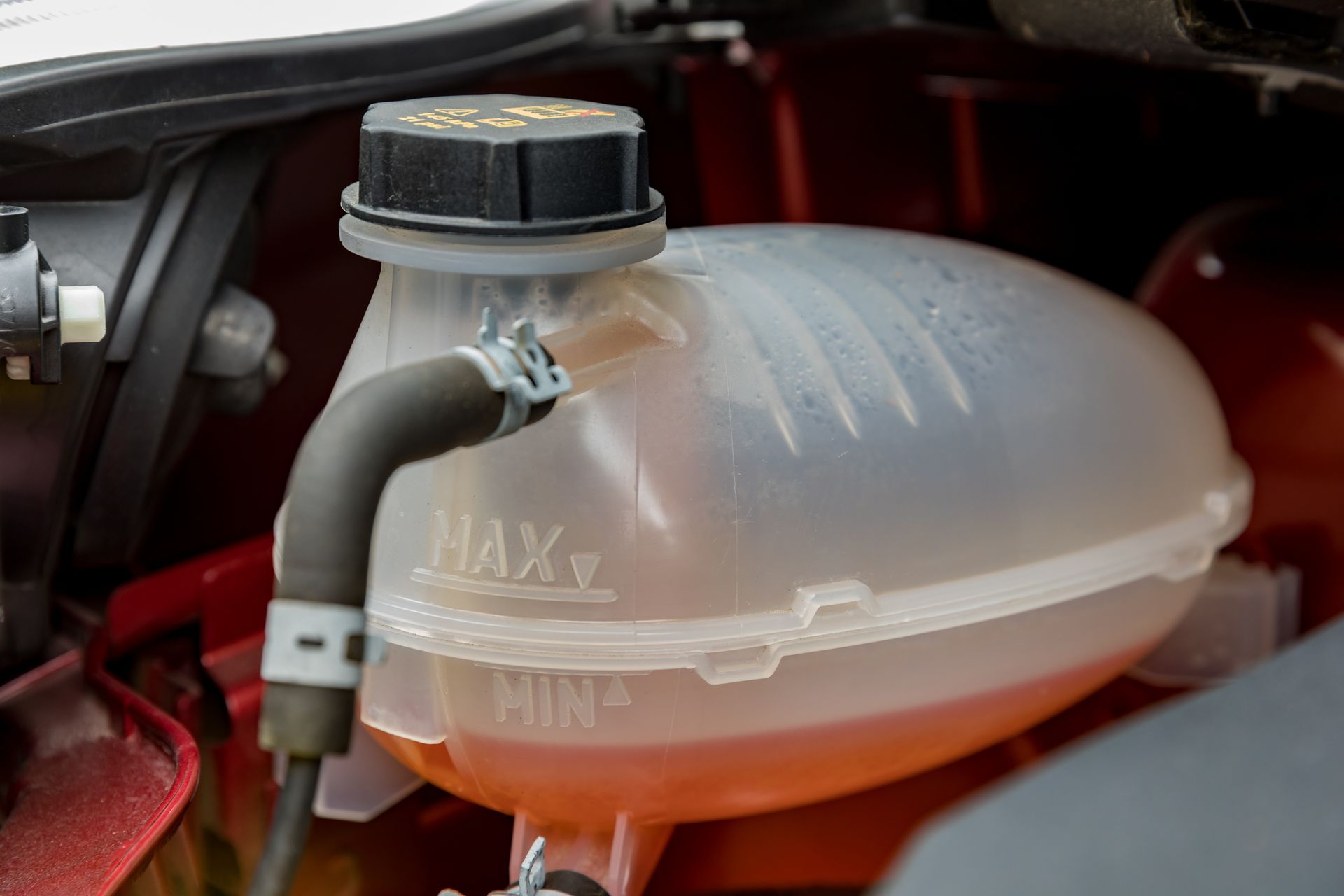
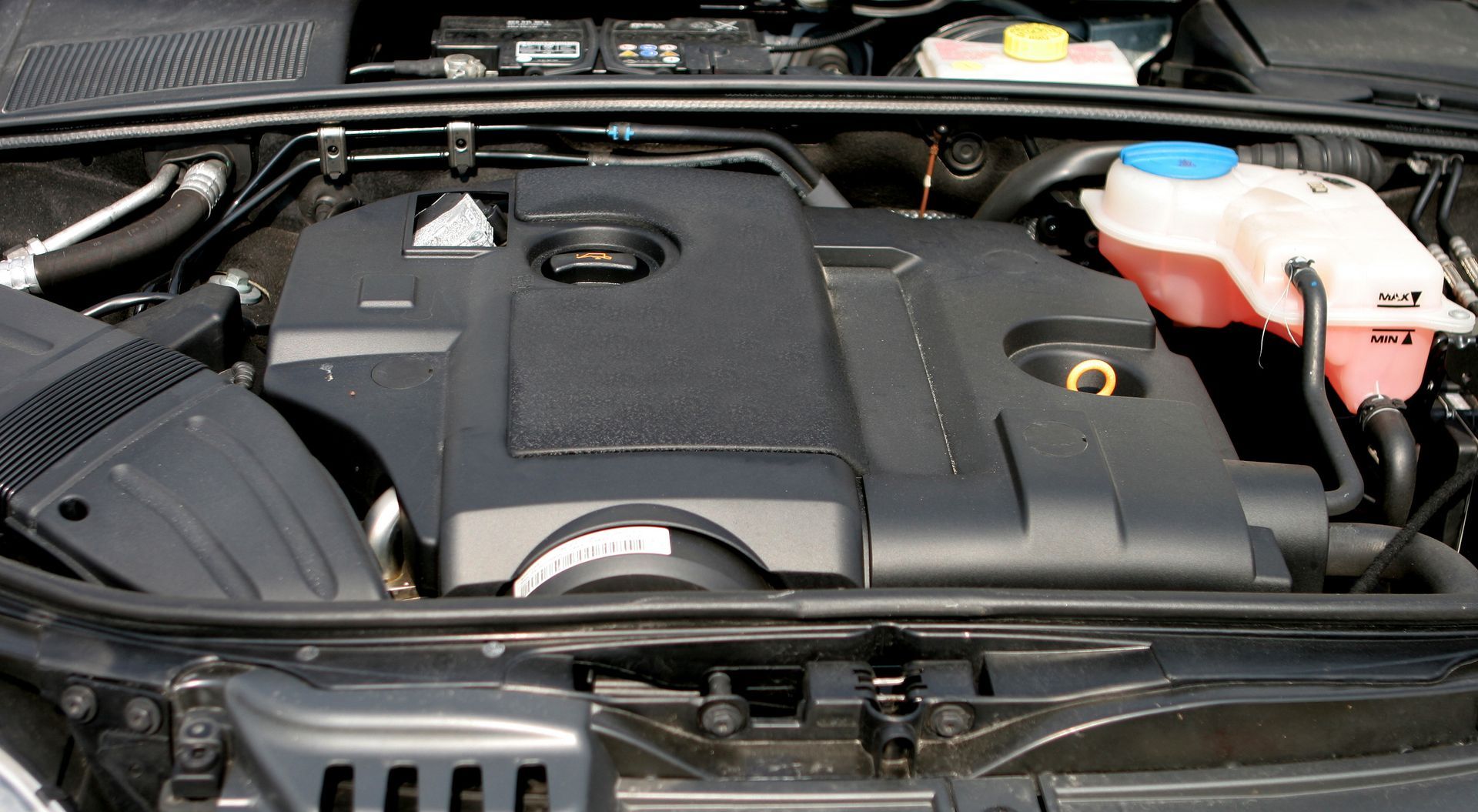
The brake fluid level can drop as pads wear, but a low level can also indicate a leak. Fluid leaks may appear near wheels, brake lines, hoses, calipers, or under the master cylinder. Brake fluid is essential for hydraulic pressure, so low fluid should never be treated as a minor detail.
Why Brake Pads And Rotors Wear Together
Brake pads and rotors work as a pair. The pads press against the rotors to slow the vehicle, and both surfaces wear over time. If pads are replaced too late, the rotors can become damaged. If rotors are reused when they are too thin or uneven, new pads may not perform the way they should.
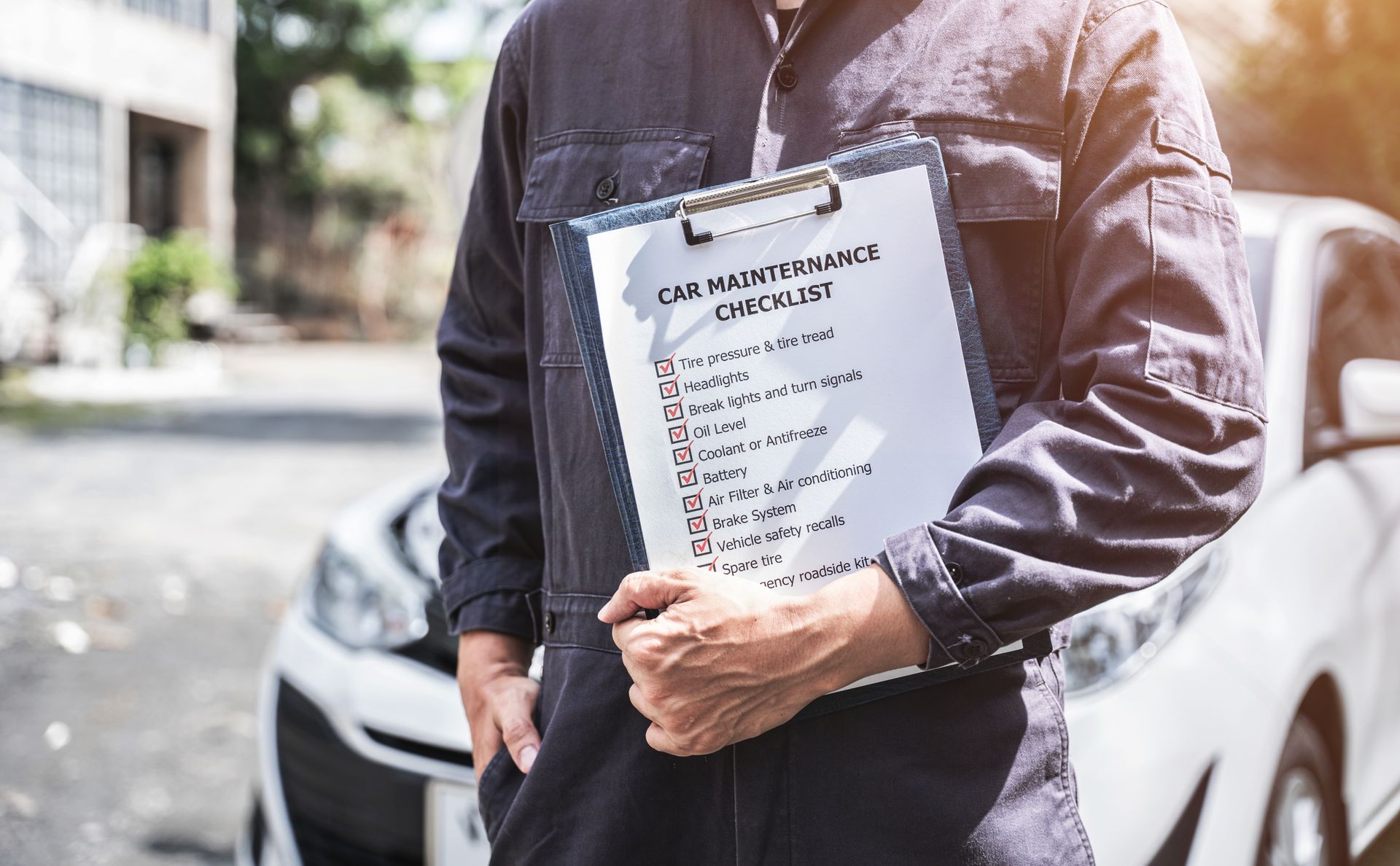
That is why regular maintenance should include brake checks, not only oil changes and tire rotations. Measuring pad thickness, checking rotor condition, looking for leaks, and watching for uneven wear help catch problems while the repair is still straightforward.
Do Not Wait For Brakes To Feel Unsafe
Many drivers wait until the brakes feel clearly bad before calling a shop. By then, the repair may be more expensive. A faint squeal can become grinding. A slight vibration can become severe shaking. A sticking caliper can damage pads and rotors on one side.
Brake repair is easier to plan when symptoms are still small. If the brakes sound different, feel different, smell hot, pull, vibrate, or trigger a warning light, it is time to have them checked. A careful inspection can show whether the vehicle needs pads, rotors, fluid service, caliper work, hose repair, or another brake-related fix.
Get Brake Repair In Auburn, WA, with Street Automotive
If your brakes are squeaking, grinding, vibrating, pulling, smelling hot, or showing a warning light, A Street Automotive in Auburn, WA, can check the system and explain what needs attention.
For brake repair that helps restore safe stopping confidence, contact us to schedule an appointment.