Most drivers think an oil change is finished once fresh oil goes into the engine. A proper service includes more than the refill, though. The filter, sealing hardware, oil level, and quick condition checks around the vehicle all deserve attention while the car is already in the bay.
These small checks are what make a routine visit more useful.
Why Every Oil Change Needs a New Oil Filter
The oil filter traps particles and contaminants circulating through the lubrication system. Installing fresh oil while leaving an overdue, contaminated filter in place doesn't make sense for normal scheduled service. The replacement must match the engine's requirements for fit, filtration, and internal valve design where applicable.
We check that the old filter seal has been removed and the new filter seats correctly. A doubled-up gasket or damaged sealing surface causes a serious oil leak soon after startup. Cartridge-style filters use replaceable O-rings and specific housing torque requirements. Those details don't take long when done correctly, but mistakes leave the engine losing oil despite receiving the right product.
Checking the Oil Drain Plug and Sealing Washer
An oil drain plug has to seal without damaging the oil pan. Some vehicles use a replaceable crush washer, while others use a different sealing arrangement. Reusing a damaged washer or overtightening the plug creates seepage, stripped threads, or a damaged pan.
During service, we inspect the plug threads and sealing surface, replace the washer when required, and tighten the plug to the manufacturer's specification. If the oil pan or drain opening is already damaged, we need to discuss it rather than hide it under excessive sealant. A properly serviced drain plug should remain secure and dry between oil changes.
Correct Engine Oil Specification and Final Oil Level
Oil viscosity is only one part of the specification. Some engines require particular manufacturer approvals or oil performance standards, especially those with turbochargers or specialized emissions equipment. Using a product that merely looks close on the label isn't the same as meeting the engine's actual requirement.
The oil level needs verification after filling and running the engine according to the appropriate procedure. Overfilling causes foaming or other operating issues on certain engines, while underfilling leaves less lubrication reserve. Some modern cars use electronic oil-level readings rather than a traditional dipstick. We follow the correct measurement method and confirm there are no leaks around the filter or drain plug before the vehicle leaves.
Leak Inspection During Routine Oil Change Service
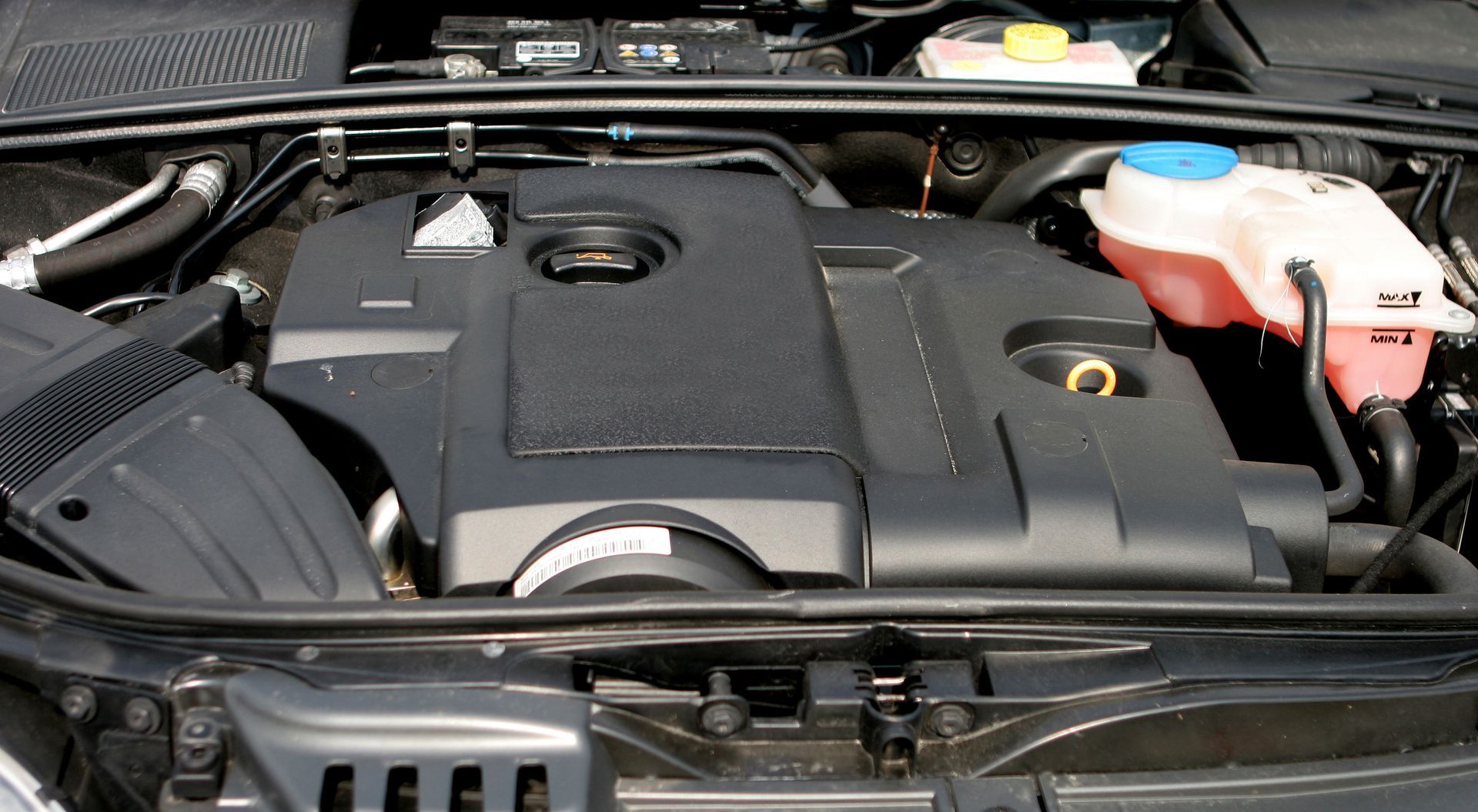
With the vehicle raised or the engine covers accessible, an oil change is a good chance to look for fresh seepage around the valve cover, oil pan, filter housing, and other common leak points. We can distinguish an active drip from older residue and check whether oil has reached hot exhaust or belt components.
A small damp area doesn't automatically require immediate repair, but documenting it gives you a reference for the next service. If the oil level was low when the vehicle arrived, we would pay attention to how much was missing. Repeated top-offs indicate consumption or leakage that needs its own investigation. New oil won't correct a seal that has started leaking.
Tire Pressure and Tire Condition Checks
Oil changes create a regular opportunity to check tire pressure, tread condition, and obvious damage. Uneven wear points to alignment or suspension issues, while low pressure affects tire life and how the vehicle handles. A screw in the tread is visible before it causes a flat.
A tire inspection doesn't need to turn an oil service into an unrelated repair list. It's a sensible safety check while the car is already at the shop. We compare pressures with the vehicle's placard, inspect for damage, and note unusual tread wear. Depending on your maintenance schedule, the visit may be a good time for tire rotation as well.
Under-Hood Fluid Checks During an Oil Change
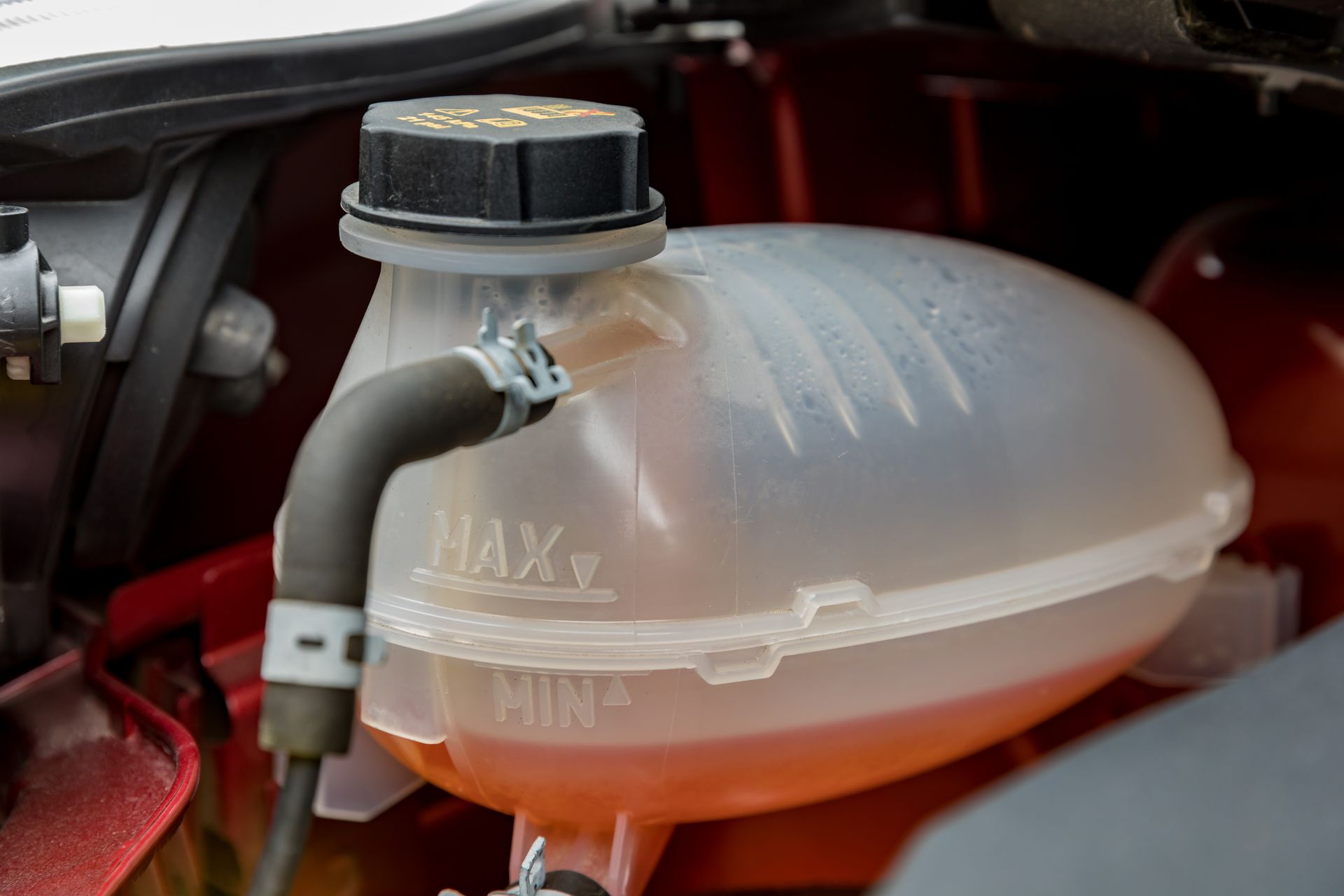
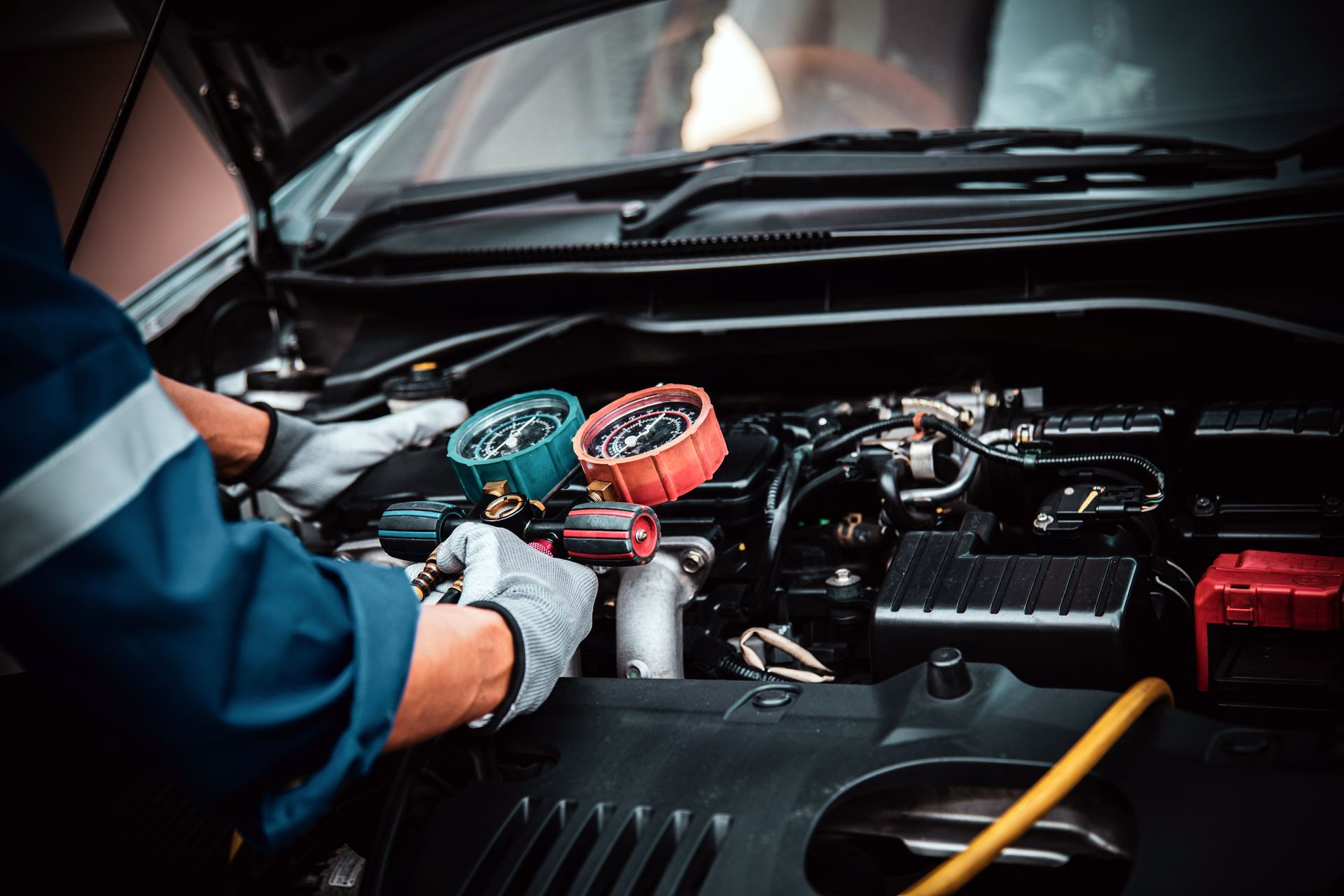
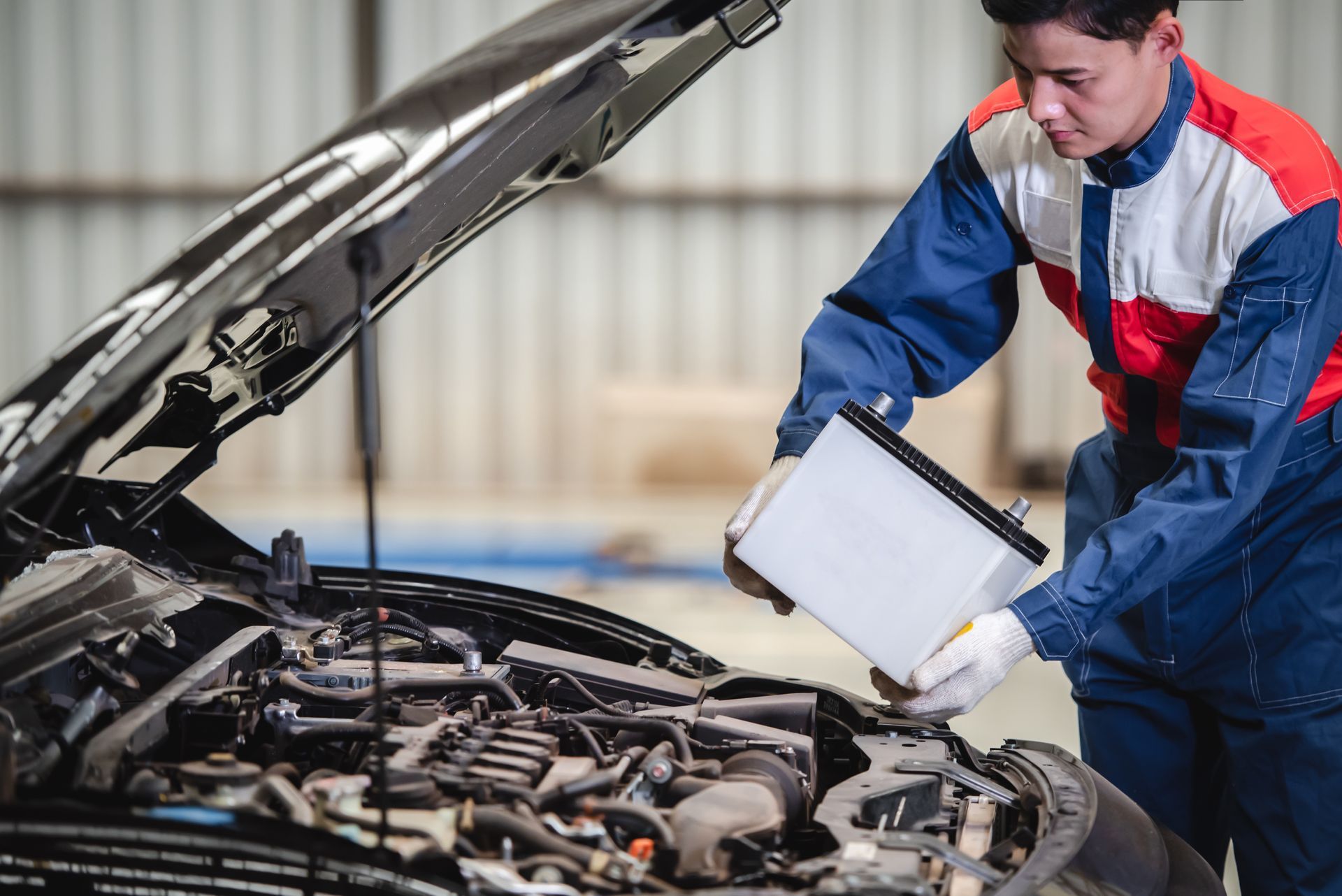
An oil change visit is useful for checking coolant level when the engine is cool, brake fluid level, washer fluid, belts, and visible hoses. Battery terminals and obvious signs of leakage or wear may deserve attention too. Some vehicles have hydraulic power steering, while others use electric systems without a fluid reservoir.
These checks aren't replacements for scheduled fluid services or detailed diagnostics. They help identify conditions that are easy to miss during daily driving. If coolant is repeatedly low, simply topping it off isn't the same as locating the leak. If the brake fluid level has dropped, pad wear and possible leaks should be considered before adding fluid without explanation.
A useful oil change inspection looks at the following items:
- Fresh oil and the correct new filter
- The drain plug and sealing washer
- Oil leaks around the engine and filter housing
- Tire pressures and visible tread wear
- Coolant level and other accessible fluid reservoirs
Anything unusual should be documented so you know what needs attention before the next visit.
Resetting the Oil Service Reminder and Keeping Records
An oil change isn't complete from the driver's perspective if the dashboard still insists the service is overdue. Many vehicles require a maintenance reminder reset, and some use electronic service records. We confirm the correct oil, filter, mileage, and date so the next service isn't left to memory.
We check that shields and engine covers removed for access are secured properly and that no tools or rags have been left in the engine bay. Used oil and filters should be handled and recycled appropriately. These aren't glamorous parts of the job, but they separate careful routine maintenance from a rushed fluid swap.
Get Complete Oil Change Service in Auburn, WA, With A Street Automotive
A Street Automotive in Auburn, WA, performs oil changes with the correct oil and filter, leak checks, and basic tire and fluid inspections.